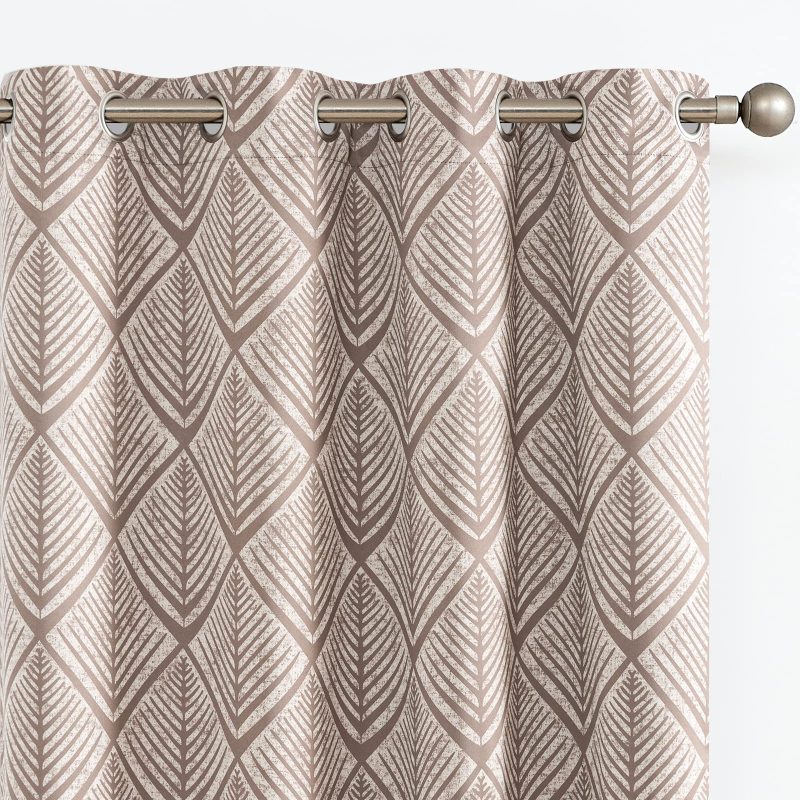
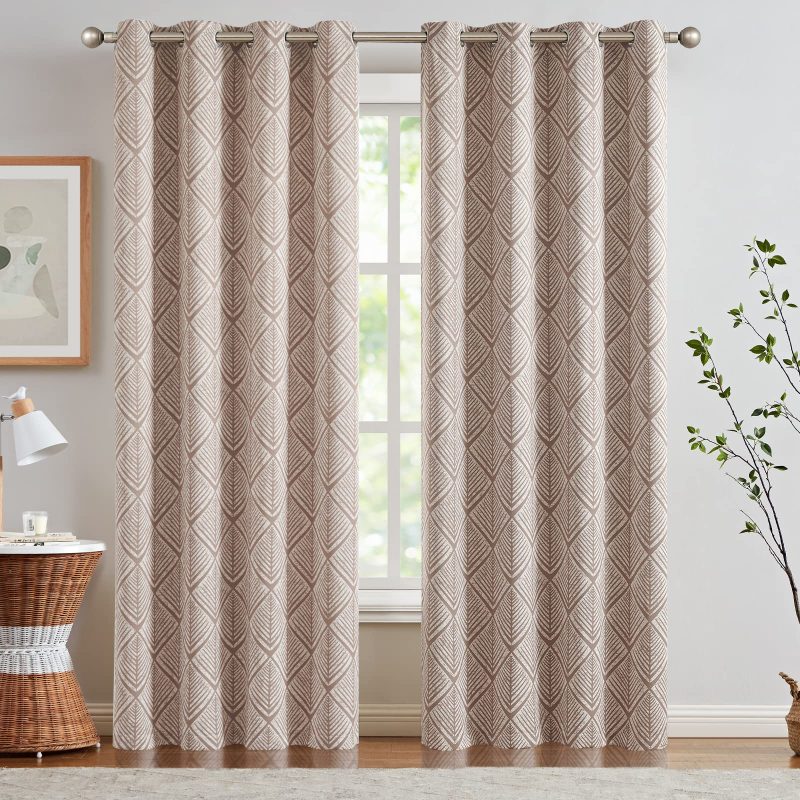
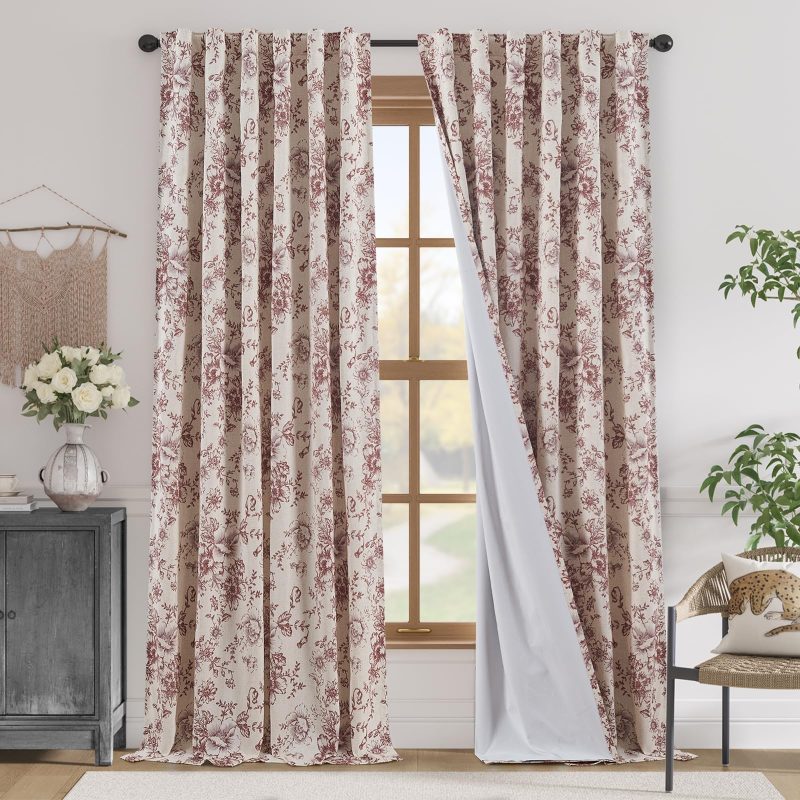
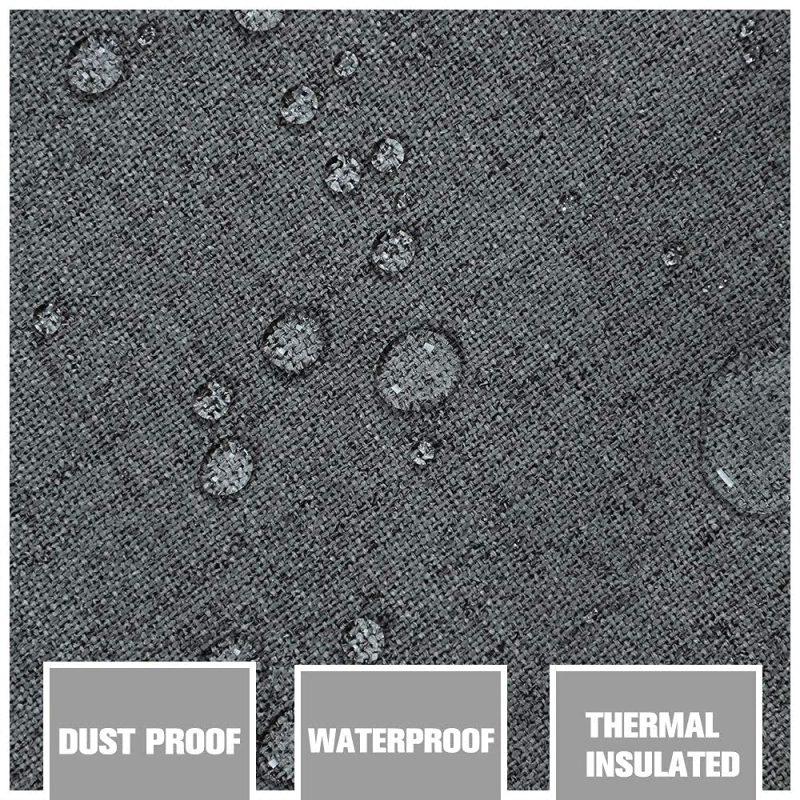
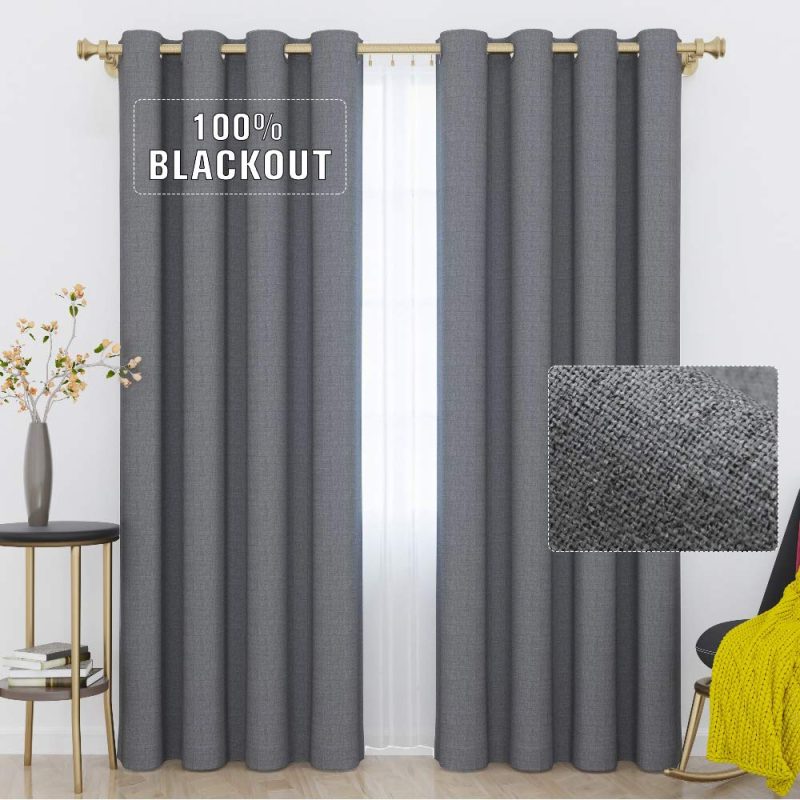
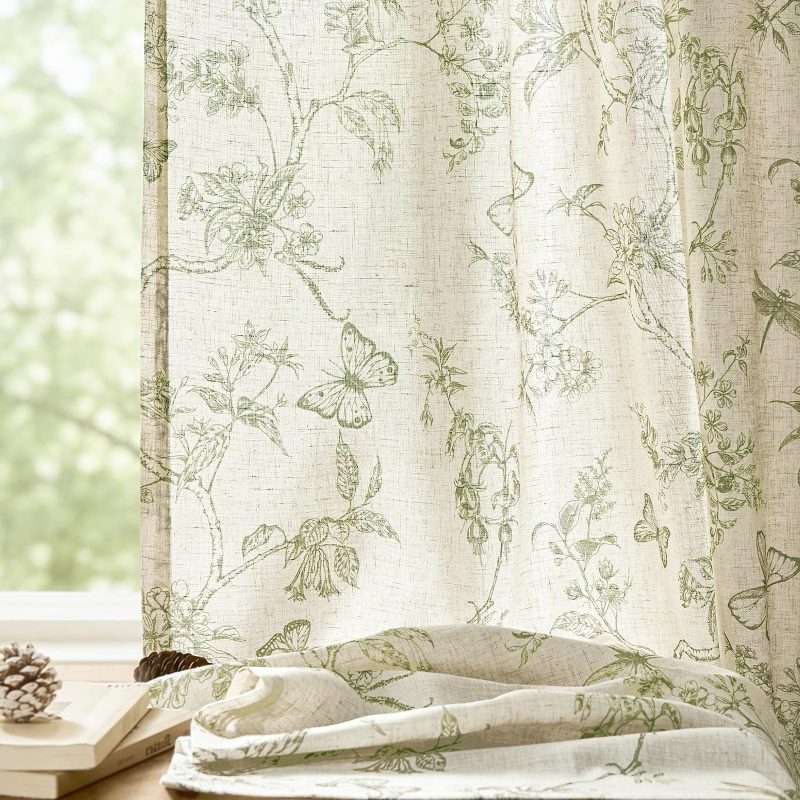
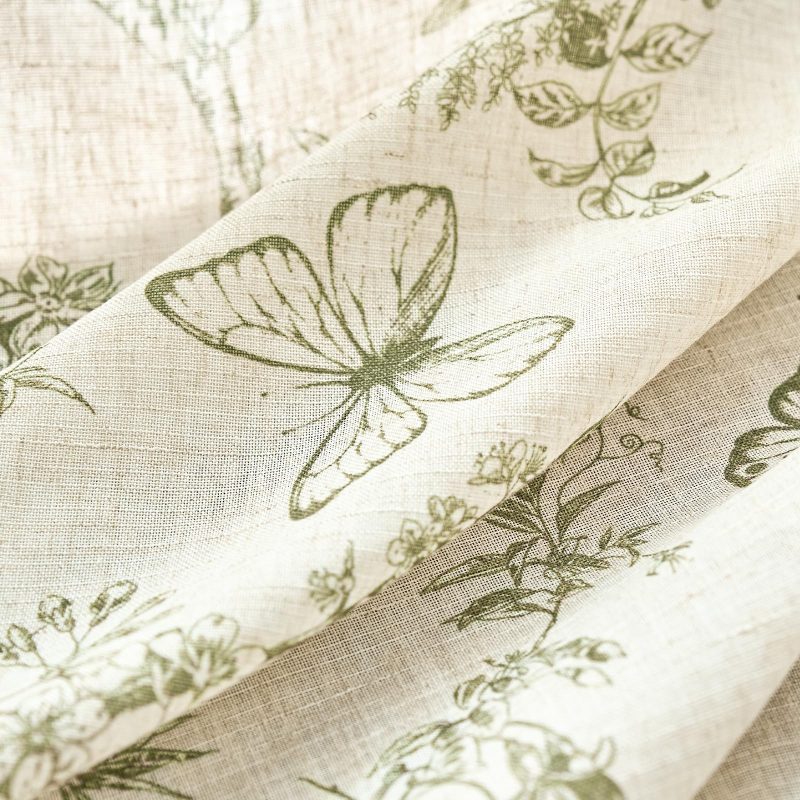
Linen has a visible slub and a matte surface that reads as fabric rather than plastic. That is why it appears so often in living rooms and bedrooms that are meant to stay light during the day. It is also why customers are surprised when a linen panel does not darken a room.

True linen is a flax fiber. Many listings described as “linen” or “linen textured” are blends or woven polyester designed to imitate the slub at a more stable price and with less wrinkling. Both can be legitimate products if the listing is accurate. A blend will usually hang straighter after unpacking. A high-linen cloth will crease in the carton and will relax after hanging, sometimes over several days. Neither behavior is a defect if it matches the fiber.

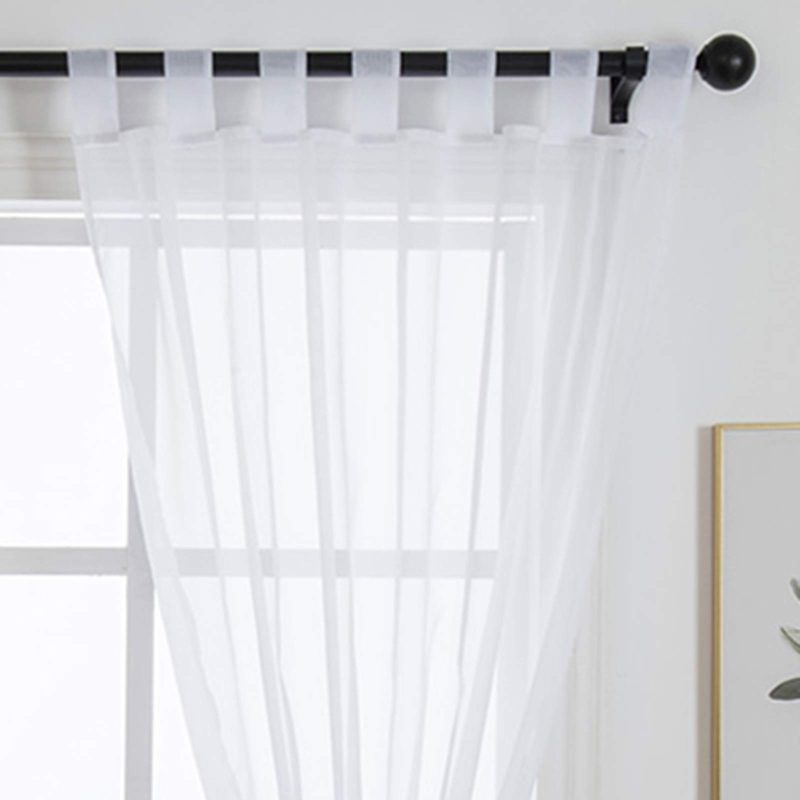
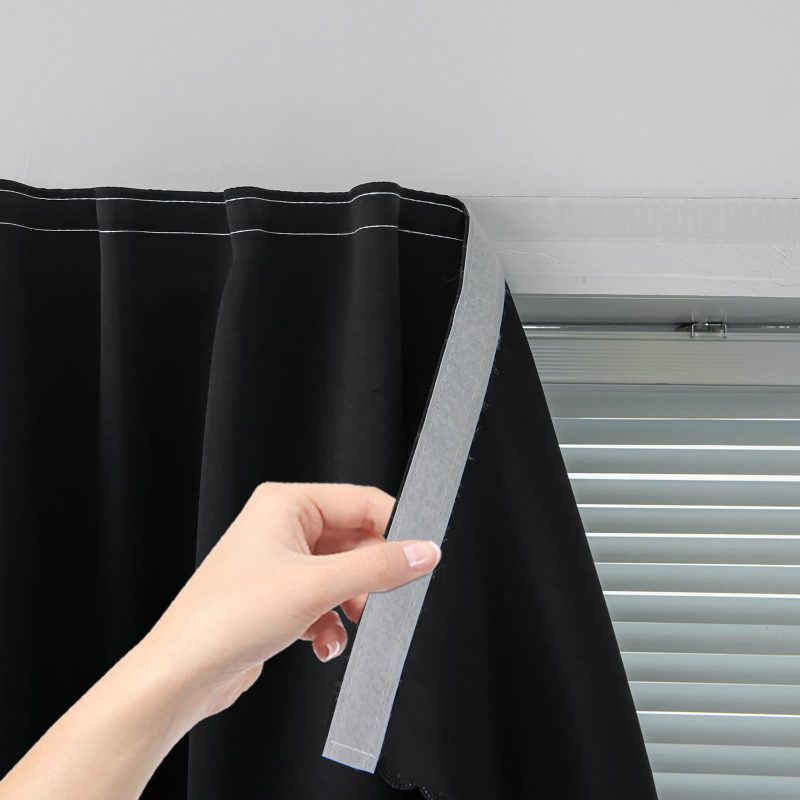
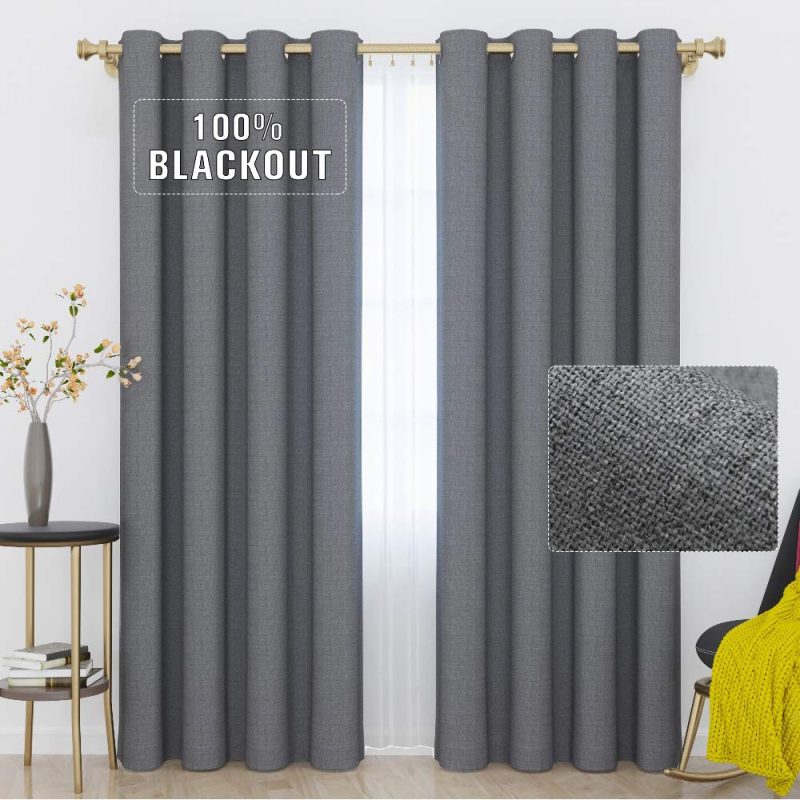
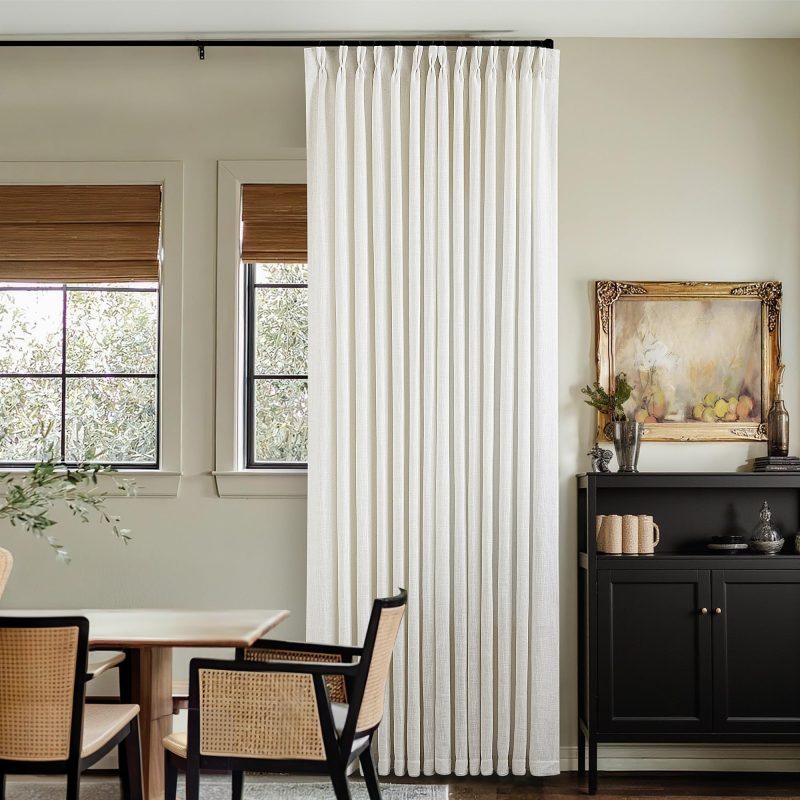
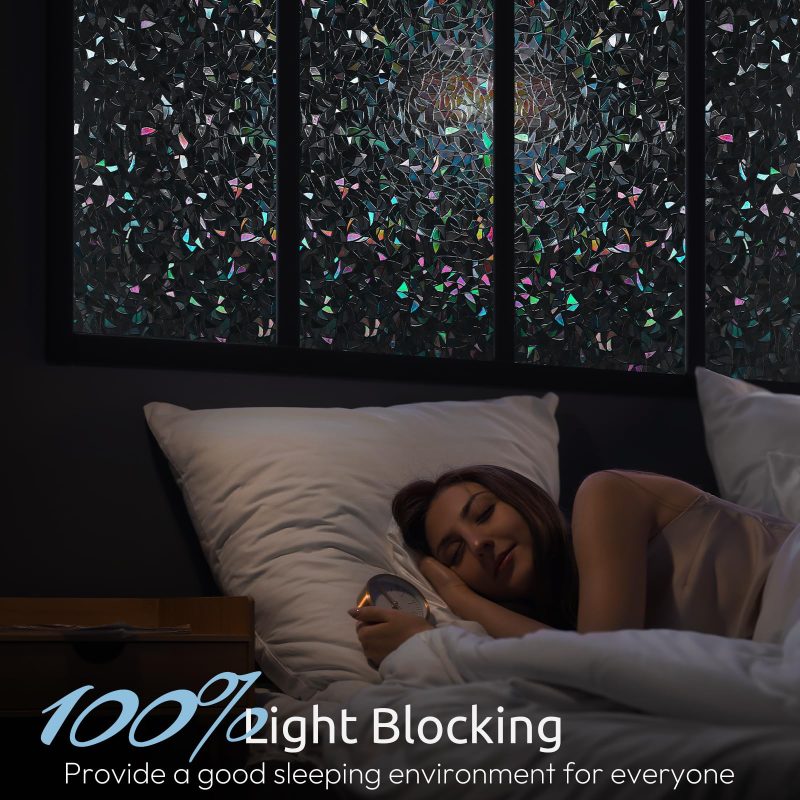
Light control follows the weave and the lining, not the word “linen.” An unlined or loosely woven linen sheer will move with air and will glow in afternoon sun. A linen-look cloth with a blackout insert will behave like any other blackout panel, with a textured face. If you need sleep-level darkness, do not infer it from the fiber. Read the opacity line.

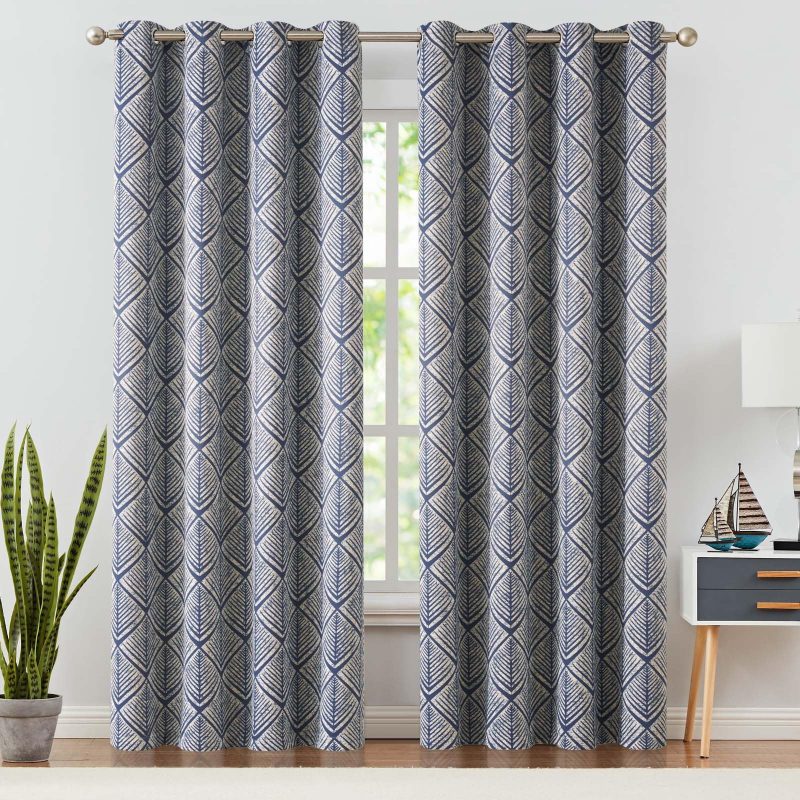
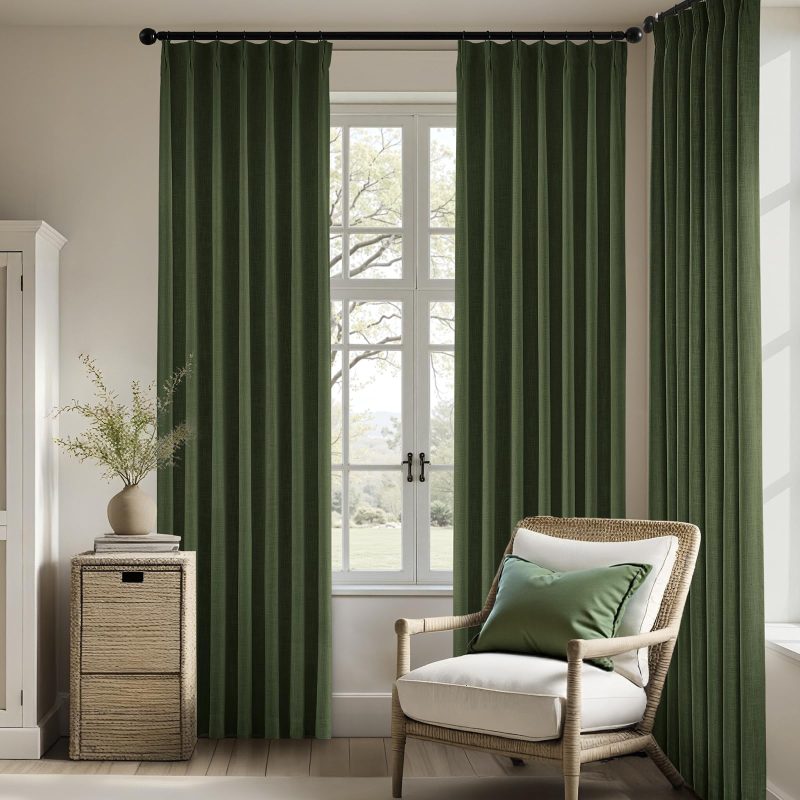
Color in linen is seldom perfectly even. Dye takes slightly differently across slubs. That variation is part of the material. Pair linen with a simple rod and a quiet wall. Busy hardware fights the cloth.

Care is modest and specific. Vacuum with a soft brush attachment. Spot-clean rather than machine-washing a lined or interlined panel unless the care label expressly allows it. Steam from a distance to release packing folds. High dryer heat and aggressive washing will shrink or ripple a natural-fiber panel. Polyester linen-look cloth is generally more forgiving, which is one reason it is used for ready-made sizes.

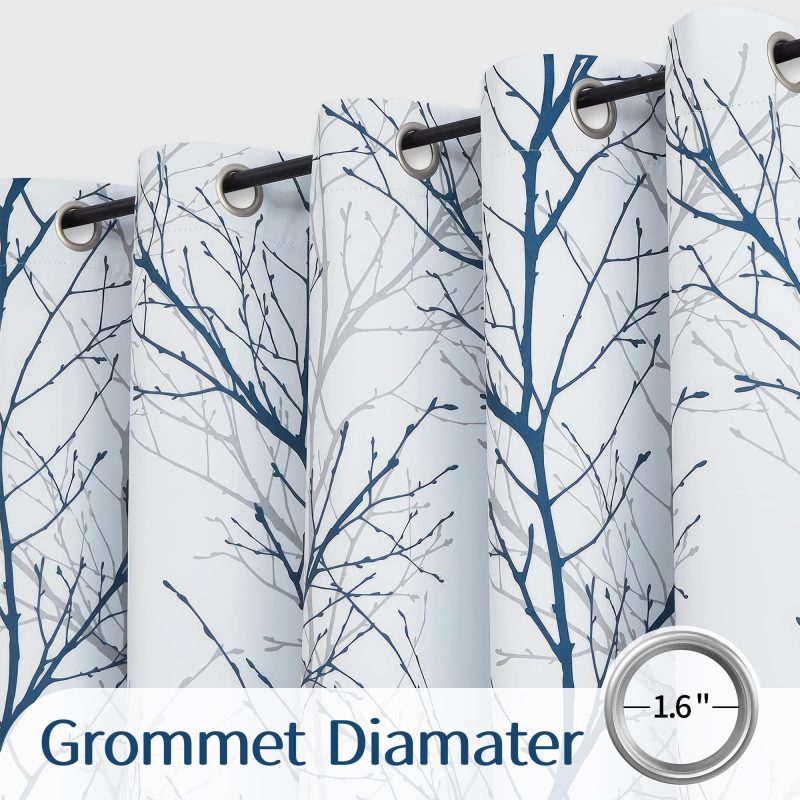
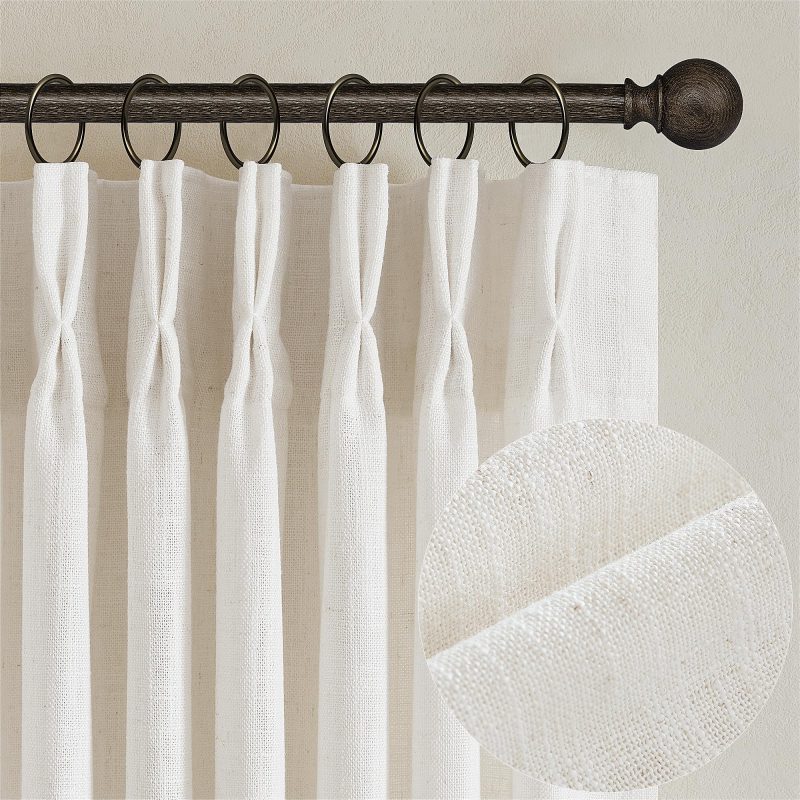
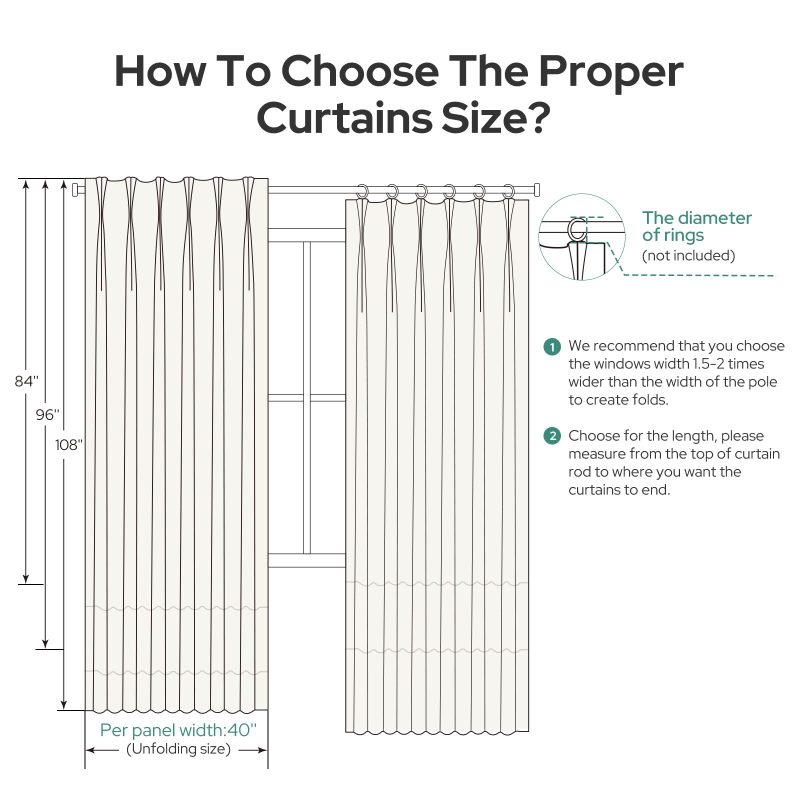
Pinch-pleat linen requires hooks and, usually, a track or ring system. Grommet linen is simpler to hang and stacks in wider folds. Rod-pocket linen can look gathered and informal. Choose the heading for the room’s architecture, not for the photograph alone.

Glow Innovate treats linen as a daylight cloth first. Use it where texture and filtered light are the point. Add a second layer or a specified blackout construction when the room must go dark.